How I Secure the Best IPTV Subscription for My Needs UK
August 3, 2026
Finding the right IPTV service can be a daunting task, especially in the UK where options abound. I secure the best IPTV subscription for my needs by first identifying my viewing priorities. This initial step is crucial as it helps me narrow down the vast array of choices available.
Next, I evaluate providers based on key factors such as UK-optimised servers, transparent pricing, device compatibility, and reliable customer support. Each of these elements plays a significant role in ensuring a seamless viewing experience.
Before committing to a longer plan, I always opt for a trial. This allows me to test the service firsthand, ensuring it meets my expectations. Throughout this guide, I will share the exact criteria I use to differentiate between high-quality providers and those that merely make empty promises.
Understanding What an IPTV Subscription Is
Understanding the nuances of an IPTV service is essential for anyone considering a modern way to watch television. An IPTV subscription is fundamentally different from traditional methods like cable and satellite. It delivers live television and on-demand content directly through my internet connection.
Unlike cable and satellite services that depend on physical infrastructure, my IPTV subscription allows me to watch what I want across multiple devices. I no longer need to be tethered to a single set-top box in my living room. This flexibility transforms how I consume media.
Definition and How IPTV Differs from Cable and Satellite
IPTV technology works by sending data packets over my broadband connection. A dedicated app, such as TiViMate or IPTV Smarters Pro, decodes this stream into a watchable format. The quality of my viewing experience hinges on both my internet speed and the provider’s server infrastructure.
How IPTV Technology Works with Your Internet Connection
The Electronic Programme Guide (EPG) serves as my digital TV guide. It displays a full 7-day schedule across every channel, similar to the interface on a Sky box or Freeview. This feature ensures I never miss a programme and can plan my viewing in advance.
The Role of Apps and Electronic Programme Guides (EPG)
Many IPTV subscriptions include a catch-up TV feature, allowing me to watch programmes I missed up to seven days after they aired. This is a significant advantage over traditional services, which often charge extra for similar features.
The step-by-step process behind IPTV is straightforward. My broadband carries the stream, the app decodes it, and the EPG organises everything into an intuitive interface. Setting this up on any compatible device takes only minutes.
Understanding how IPTV technology differs from cable and satellite has empowered me to make informed choices. This service relies on internet protocols rather than broadcast signals, offering greater flexibility and often a much lower monthly cost.
Identifying My Viewing Needs and Priorities
Before diving into the world of IPTV, I take a moment to reflect on my viewing habits. Understanding what I truly enjoy watching is vital for selecting the right service. There’s no sense in paying for an IPTV service that offers thousands of channels if my main interests lie in UK live channels, Premier League football, and family movies.
My content priorities are straightforward. I seek comprehensive sports coverage that includes every Sky Sports channel and the full TNT Sports lineup. I want to ensure I never miss a Premier League match, Champions League fixture, or major boxing event throughout the season.
Device compatibility is another critical factor. I make a list of all the devices I plan to use, such as my Samsung Smart TV in the lounge, the Amazon Firestick in the bedroom, and my iPhone for on-the-go viewing. Verifying that the IPTV service supports all these devices is essential before making a commitment.
For families like mine, having dedicated kids’ content is non-negotiable. I look for services that include channels like CBBC, CBeebies, Cartoon Network, and Nickelodeon, along with a children’s film library, all in one package. This eliminates the need for separate subscriptions.
Next, I define my desired streaming quality. I require at least Full HD for regular viewing and 4K Ultra HD for live sports and blockbuster movies. This requirement dictates the minimum internet connection speed I need at home. Generally, I aim for a broadband speed of at least 25 Mbps for Full HD and 50 Mbps for 4K streaming.
Reliability is another concern shaped by my past experiences with buffering during peak times. Therefore, I prioritise IPTV providers that utilise CDN technology and UK-optimised servers to ensure stable performance, even when demand is high.
Multi-screen support is also a consideration, as my household often has different family members watching different content simultaneously on separate devices. Not every IPTV plan accommodates this without additional fees, so I check this feature carefully.
By clearly identifying my viewing needs and priorities before comparing providers, I can avoid being distracted by flashy features that may not serve my interests. This approach ensures I secure an IPTV service that genuinely aligns with how my household consumes television.
| Content Type | Channels Included | Minimum Speed Required |
|---|---|---|
| Sports | All Sky Sports, TNT Sports | 25 Mbps for Full HD |
| Kids | CBBC, CBeebies, Cartoon Network, Nickelodeon | 10 Mbps for HD |
| Movies | Sky Cinema, On-Demand Movies | 25 Mbps for Full HD |

Why UK-Optimised IPTV Servers Matter for Me
When it comes to choosing an IPTV provider, the importance of UK-optimised servers cannot be overstated. The physical location of these servers significantly impacts my streaming experience. I have learnt through experience that this single factor determines whether I enjoy smooth, buffer-free streaming or suffer constant interruptions, especially during high-demand periods like Saturday 3pm football kick-offs.
UK-optimised servers directly benefit me by reducing latency—the time it takes for data to travel from the server to my device. This means that channels open instantly, switching between them feels snappy, and I never experience that frustrating spinning wheel during crucial moments of a live broadcast.
Benefits of Local UK Servers: Reduced Latency and Buffering
During peak viewing times, typically between 7pm and 10pm on weekdays, IPTV services relying on overseas servers often buckle under the strain. In contrast, providers with local UK infrastructure maintain consistent streaming quality because the data simply does not have as far to travel. I can enjoy my favourite shows and sports without the annoyance of buffering.
Impact on Streaming Quality During Peak Viewing Times
When I compare UK-based servers with overseas alternatives, the difference in real-world performance is striking. A UK server connected to my BT or Virgin Media broadband delivers true 4K and Full HD without compression artefacts. Conversely, an overseas server often results in compressed, pixelated HD that falls apart during fast-moving sports action.
Comparing UK-Based Servers with Overseas Alternatives
The impact on my internet connection is also significant. Local servers are optimised for UK internet providers like BT, Virgin Media, TalkTalk, and EE. This means the route my data takes is shorter and less congested than if it were being routed through a data centre in Asia or mainland Europe.
I have noticed that IPTV providers using UK-based servers typically advertise 99.9% uptime and deliver on that promise. In contrast, services relying on overseas infrastructure frequently suffer from outages, leaving me staring at a blank screen when I should be watching the Champions League final.
Choosing an IPTV provider with UK-optimised servers gives me peace of mind that my subscription will perform reliably not just during quiet weekday afternoons but also during high-traffic periods when I most want to watch live sports and premium entertainment. The difference between a UK-based IPTV service and one using overseas servers is, in my experience, the difference between a premium television experience and a constant source of frustration. This is why I refuse to compromise on server location when selecting my IPTV service.
Exploring IPTV Subscription Plans and Pricing Options
Navigating the various IPTV plans available can be overwhelming, especially when trying to find the right fit for my needs. I start by understanding the common lengths of plans offered, which typically include monthly, 3-month, 6-month, and yearly subscriptions. Each option has its pros and cons, and I weigh the flexibility of shorter plans against the savings of longer commitments.
When evaluating pricing, I delve deeper than just the initial cost. For instance, a yearly plan priced at £69 translates to just over £5.75 per month, a remarkable deal compared to the £30 or more I might pay for traditional providers like Sky or Virgin Media. I always ensure that the pricing is transparent, involving a one-time payment without hidden fees or unexpected charges.
The value for money equation is crucial in my assessment. I consider the monthly cost in relation to the breadth of channel selection, including premium sports and movie content. Features like 4K streaming, catch-up TV, and multi-device support also play a significant role in determining the overall value.
Trial offers are an essential part of my decision-making process. I look for providers that offer low-cost monthly trials, such as a £10 option for one month. This allows me to test the service on my devices and with my internet connection before committing to a longer plan.
When comparing plans, I note that a 3-month subscription often saves around 19% compared to paying monthly, while a 6-month plan can save over 30%. These longer plans often provide significantly better value for anyone confident in their choice of provider.
Additionally, I check if the provider offers a money-back guarantee, like a 14-day refund window. This adds an extra layer of protection to my purchase and shows that the company stands behind the quality of its service.
My approach to exploring IPTV subscription plans and pricing options is methodical. I shortlist providers with transparent pricing, compare the effective monthly cost across different plan lengths, and use a trial to validate performance. Only then do I commit to the plan that offers the best balance of value and features for my specific needs.
| Plan Length | Cost | Value |
|---|---|---|
| 1 Month | £10 Trial | Test the service |
| 3 Months | £29 | Save 19% |
| 6 Months | £49 | Save 32% |
| 1 Year + 1 Month Free | £69 | Exceptional value |
Choosing the Best IPTV Subscription for My Needs
Selecting the ideal IPTV service requires careful consideration, especially given the multitude of options available in the UK. I focus on several critical factors to ensure I choose the best IPTV subscription that aligns with my viewing habits and preferences.
Evaluating Channel Lineups and Content Variety
I evaluate channel lineups by checking not just the total number of channels advertised but specifically whether the IPTV subscription includes every major UK free-to-air broadcaster. This includes channels from BBC One to Channel 5, as well as premium entertainment channels I enjoy, such as Sky Atlantic, Sky Cinema, and Comedy Central.
My assessment of content variety extends beyond live television to the on-demand library. I look for a well-organised catalogue spanning genres like drama, comedy, thriller, action, sci-fi, documentary, and kids. This way, my IPTV subscription serves as a complete entertainment hub rather than just a live TV replacement.
Assessing Service Reliability and Streaming Quality
Service reliability is another crucial aspect. I research real user experiences, paying close attention to reports of buffering during live sports and channel downtime during peak hours. It’s vital that the provider’s infrastructure can handle high-traffic events like Premier League matchdays without degradation.
Streaming quality is non-negotiable in my evaluation. I insist on providers that deliver true Full HD and 4K streams with HDR support. There’s no point in paying for an IPTV service that delivers compressed, pixelated video that looks worse than Freeview.
The Importance of Transparent Pricing and No Hidden Fees
The importance of transparent pricing cannot be overstated in my decision-making process. I immediately eliminate any provider that is vague about costs or adds unexpected fees at checkout. I need clear pricing details without hidden surprises.
To compare the value proposition of each shortlisted IPTV subscription, I calculate what I would pay for equivalent content through traditional means. For instance, Sky Sports alone can cost over £30 per month, making the savings from IPTV subscriptions substantial.
When choosing the best IPTV subscription for my needs, I prioritise providers that include pay-per-view events at no extra cost. A single boxing PPV on Sky can cost £24.95 on top of an existing subscription, so having these included represents genuine value.
Ultimately, my decision comes down to a combination of factors: a channel lineup that matches my viewing habits, reliable streaming quality backed by UK-based servers, transparent pricing with no hidden fees, and the flexibility to cancel or change my plan without penalty.
How I Ensure Device Compatibility Across Multiple Screens
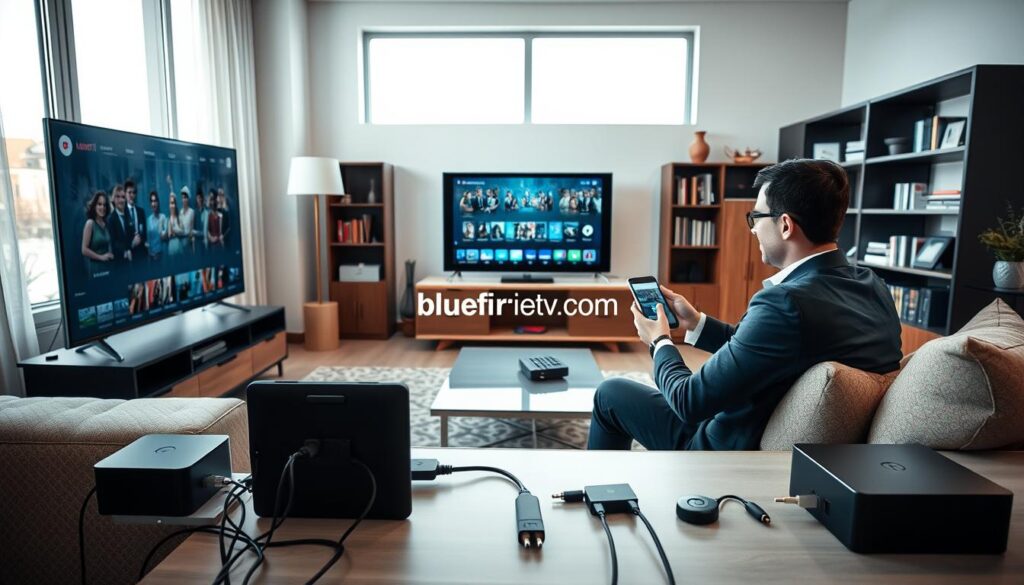
Ensuring that my IPTV service works seamlessly across all devices is crucial for an enjoyable viewing experience. In my household, I have various screens, including a Samsung Smart TV, an Amazon Firestick, and mobile devices. This diversity necessitates a careful approach to compatibility.
For my main living room setup, I use IPTV on my Smart TV. I simply download the recommended app directly from the built-in app store. This process takes only minutes and transforms my television into a powerful streaming hub without any additional hardware.
Using IPTV on Smart TVs, Firestick, and Android TV Boxes
I have found that the Amazon Firestick is one of the most versatile devices for IPTV. I can download or sideload the necessary app in under two minutes, making it an ideal solution for secondary televisions where I do not want to invest in a full Android TV box. Additionally, Android TV Boxes, such as the Nvidia Shield, allow for easy installation from the Google Play store, ensuring I have access to my IPTV service quickly.
Accessing IPTV on Mobile Devices: iPhone, iPad, and Android
When it comes to mobile viewing, I access my IPTV service on my iPhone and iPad through dedicated apps available on the iOS App Store. This gives me the freedom to watch live sports or catch up on programmes while I am on the train or waiting for an appointment. My Android devices also connect to the IPTV service through apps downloaded from Google Play, making the setup process straightforward across every Android-based device I have tested.
Desktop Viewing Options for Windows and Mac
For desktop viewing, I use VLC media player or a dedicated IPTV app on both my Windows PC and my MacBook. This is particularly useful when I want to watch something while working or when I connect my laptop to a hotel television during business trips. I always check whether the IPTV provider offers step-by-step setup guides for each device type. Even though I am technically confident, having clear instructions available saves me time and eliminates the frustration of troubleshooting on my own.
My approach to device compatibility is thorough. I test the service on at least three different devices during the trial period. This ensures that the streaming quality, app interface, and overall experience are consistent across every screen I intend to use before I commit to a longer plan.
Securing Quick and Easy IPTV Subscription Activation
Getting started with my IPTV service is a seamless experience that takes just a few minutes. I follow a straightforward process that ensures I can enjoy my favourite channels without unnecessary delays.
First, I select a plan that matches my budget and viewing habits. The checkout form is simple and takes less than a minute to complete. Once I finish this step, I receive a secure payment link to finalise my purchase.
Selecting a Plan and Completing Checkout
The moment my payment is processed, I receive my login credentials within minutes via email. There’s no need to wait for a phone call or schedule an engineer visit. I appreciate that reputable providers streamline this process, allowing me to activate my service quickly.
Receiving Login Credentials Within Minutes
Once I have my login credentials, I can install the recommended IPTV app on my chosen device. Whether I download it from the Google Play Store on my Android TV box or sideload it onto my Firestick, the setup is consistently simple and well-documented.
Installing the IPTV App and Starting to Watch
Entering my login details into the app is straightforward. I simply type in the username and password provided in my activation email. My full channel list loads automatically, with no additional configuration required.
I start watching almost immediately after installation. The entire activation journey—from selecting my plan to enjoying my first live channel—is designed to be frictionless. This is a hallmark of a professional IPTV service that values its customers’ time.
If I encounter any issues during activation, I know that quality providers offer real-time support via WhatsApp or live chat. This means I can get step-by-step assistance to resolve any setup problems within minutes, rather than waiting days for an email response.
My experience with IPTV activation has taught me that the speed and ease of getting started is often a reliable indicator of the overall quality of the service. A provider that invests in a smooth onboarding process is likely to invest in robust server infrastructure and excellent customer support as well.
Streaming Quality and Internet Connection Requirements
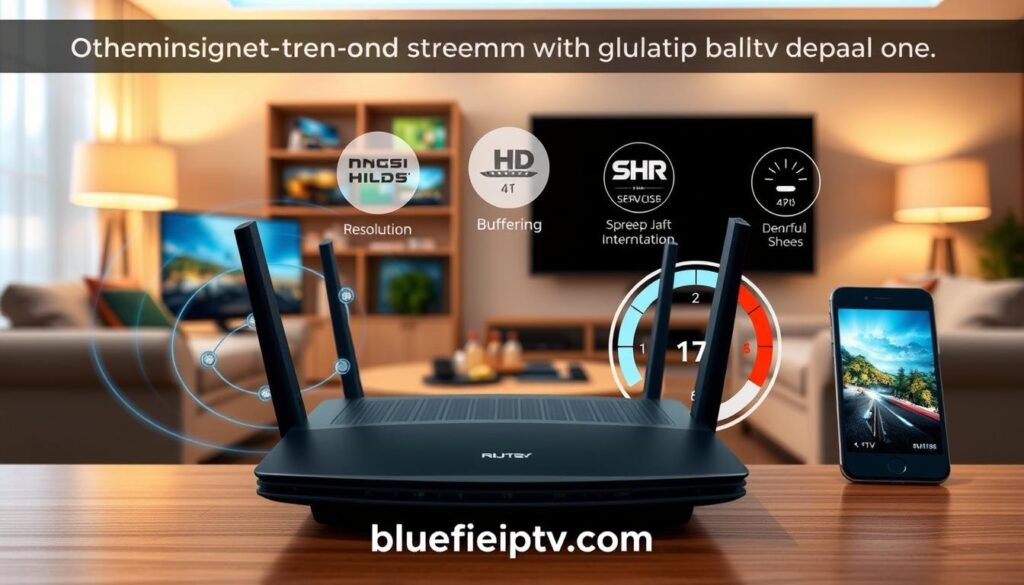
Understanding the connection between streaming quality and internet speed is essential for an optimal viewing experience. Each quality tier requires specific internet speeds to function effectively, which I must consider before committing to a service.
Recommended Speeds for HD, Full HD, and 4K UHD Streaming
To ensure a smooth streaming experience, I always verify my internet connection speed before committing to a service. Here are the recommended minimum speeds:
- 10 Mbps for HD (720p)
- 25 Mbps for Full HD (1080p)
- 50 Mbps for 4K Ultra HD
Using a free tool like speedtest.net allows me to confirm that my broadband delivers the required speeds for the quality I desire.
How CDN Technology Enhances Viewing Experience
Understanding the relationship between my internet speed and streaming quality has been crucial. Even the best service cannot overcome a fundamentally inadequate broadband connection. CDN technology, or Content Delivery Network, is the secret weapon that separates premium services from unreliable ones. It automatically routes my stream through the nearest available server, ensuring that busy periods, like Saturday 3pm football kick-offs, do not degrade picture quality.
Maintaining Stable Performance During Live Sports and High Traffic
The practical benefit of CDN technology in my viewing experience is significant. I can watch a Champions League final or a heavyweight boxing match without the dreaded buffering wheel appearing during crucial moments. This is because the network dynamically balances the load across multiple connection points.
By choosing a provider that invests in both UK-based servers and CDN infrastructure, I maintain stable performance during live sports. This combination ensures that my stream has the shortest possible journey from the source to my screen, with multiple fallback routes if one path becomes congested.
The difference between HD, Full HD, and 4K UHD streaming is not just a marketing label. 4K delivers four times the detail of standard Full HD, with crisper text, more vivid colours, and smoother motion that makes fast-moving sports footage look natural rather than blurry.
I recommend running a speed test at different times of day. Internet speeds can fluctuate during peak evening hours, and knowing my minimum and average speeds helps me choose the appropriate streaming quality tier for my connection.
My guide to streaming quality and internet connection requirements is simple: match my broadband speed to my quality expectations, choose a provider with CDN-powered UK servers, and always test the service during a live sports event during my trial period to confirm that performance holds up under real-world conditions.
| Streaming Quality | Recommended Speed | Detail Level |
|---|---|---|
| HD (720p) | 10 Mbps | Standard viewing |
| Full HD (1080p) | 25 Mbps | Enhanced clarity |
| 4K UHD | 50 Mbps | Exceptional detail |
Accessing a Wide Range of Channels and Content Categories
Having access to a wide array of channels is essential for me, as it allows for a comprehensive viewing experience that suits my family’s interests. My IPTV service provides an impressive selection of both live and on-demand content, making it a perfect replacement for traditional pay-TV services.
Major UK Free-to-Air and Premium Channels Included
I enjoy a comprehensive range of channels through my IPTV subscription that covers every major UK free-to-air broadcaster. This includes:
- BBC One, BBC Two, BBC Three, BBC Four, CBBC, CBeebies
- ITV, ITV2, ITV3, ITV4, ITVBe
- Channel 4, E4, More4, Film4, Channel 5, 5USA, 5Star
This extensive selection ensures I never miss any of the programming that British viewers have enjoyed for decades. Additionally, the premium channel lineup rivals what I would get from a top-tier Sky package, including:
- Sky Atlantic for HBO dramas
- Sky Cinema for the latest film releases
- Entertainment staples like Gold, Dave, and Comedy Central
Comprehensive Sports Coverage I Can Rely On
My sports coverage is genuinely comprehensive and reliable. I have access to every Sky Sports channel, including:
- Main Event, Premier League, Football, Cricket, Golf, F1, Arena, Action
Furthermore, the full TNT Sports lineup gives me access to all 380 Premier League matches per season, as well as Champions League, Europa League, and FA Cup fixtures. I also rely on my service for international sports coverage that goes beyond football, including:
- England cricket with The Ashes
- Six Nations rugby
- Formula 1, Wimbledon tennis, UFC Fight Nights
- Major boxing cards, MotoGP, and The Ryder Cup
Extensive On-Demand Movies and Kids Entertainment
The on-demand movies library is organised into intuitive categories, allowing me to browse and watch films whenever I choose. Categories include:
- Drama, Comedy, Thriller, Action, Sci-Fi, Documentary
For my family, the kids’ entertainment section is particularly valuable. It bundles:
- CBBC, CBeebies, Cartoon Network, Nickelodeon, and the Disney Channel
This ensures my children have safe, age-appropriate content in one place without needing separate subscriptions to multiple streaming platforms.
I appreciate that the content is organised with a full Electronic Programme Guide showing 7-day listings across every channel. Most major UK channels include catch-up TV, allowing me to scroll back and watch anything I missed without needing to set up recordings in advance.
The sheer breadth of channels and content categories available through my IPTV subscription means I have effectively replaced my traditional pay-TV service, my sports packages, and several streaming subscriptions with a single, more affordable plan that covers every viewing need in my household.
Support and Help Throughout My IPTV Subscription Journey
The support I receive throughout my IPTV journey plays a pivotal role in ensuring a smooth experience. Having access to responsive and knowledgeable customer support is crucial, as even the best services can occasionally require troubleshooting. I appreciate knowing that help is available via WhatsApp or live chat when I need it, rather than waiting days for an email response.
Availability of Real-Time Support via WhatsApp and Live Chat
I consider the availability of real-time support to be one of the most important factors when choosing an IPTV service. Quality providers understand that their customers may need assistance at any time. This is why I look for those that offer support through convenient channels like WhatsApp and live chat, ensuring I can get help whenever necessary.
Step-by-Step Setup Assistance for Various Devices
The best IPTV providers I have encountered offer step-by-step setup assistance for various devices. Their support technicians guide me through the entire installation process on my Smart TV, Firestick, iPhone, or any other device. This support continues until my subscription is fully operational, allowing me to confidently watch live television.
Ongoing Customer Service to Resolve Issues Promptly
I value ongoing customer service that does not disappear after the sale. I seek providers whose support teams are available 24/7 to resolve issues promptly. Whether it means troubleshooting a channel that is not loading or helping me reconfigure my app after a software update, I appreciate the reassurance that assistance is just a message away.
The availability of WhatsApp support is particularly convenient for me. I can send a quick message from my phone, share a screenshot of any error I am encountering, and receive real-time guidance without needing to sit at a computer or navigate a complicated ticket system. This immediate access to help makes a significant difference in my overall experience.
Throughout my IPTV subscription journey, from initial activation through to ongoing use, I know that having reliable support and help available gives me the confidence to recommend the service to friends and family who may be less technically inclined than I am. The quality of customer support is often the clearest differentiator between a professional IPTV service and a fly-by-night operation.
My experience has taught me that providers who invest in knowledgeable, accessible support teams are also more likely to invest in server infrastructure and content quality. They understand that customer satisfaction depends on the entire experience, not just the channel lineup.
Ensuring Legal and Safe Use of IPTV Services in the UK
Understanding the legal landscape surrounding IPTV services in the UK is crucial for every viewer. While the technology itself is entirely legal, the content being streamed raises important considerations. Mainstream services like BBC iPlayer, Sky Go, and Amazon Prime Video utilise IPTV technology to deliver content to millions of British households every day.
The legal considerations surrounding IPTV relate specifically to content licensing rather than the technology. Therefore, I make a point of choosing authorised IPTV providers who operate within the law and hold the appropriate rights to distribute the channels and content they offer.
To ensure my peace of mind, I research whether an IPTV provider is transparent about its operations. I look for a verifiable UK presence and a clear commitment to operating as a legitimate service. This helps me avoid providers that hide behind anonymous websites and untraceable payment methods.
Understanding IPTV Technology and Content Licensing
My commitment to using IPTV responsibly and legally means I avoid services that make unrealistic promises or offer suspiciously low prices. If a provider cannot clearly explain how they license the content they provide, I steer clear. This ensures that I engage with services that respect copyright laws.
Choosing Authorised IPTV Providers for Peace of Mind
Choosing an authorised IPTV service protects not only me as a consumer but also supports the broader content ecosystem. It ensures that broadcasters, sports leagues, and production companies can continue investing in the programming I enjoy. The distinction between legal and illegal IPTV services is not always immediately obvious from a website alone.
To identify legitimate providers, I look for indicators such as transparent company information, secure payment processing, and professional customer support. A willingness to discuss licensing openly is also a positive sign.
My Commitment to Using IPTV Responsibly and Legally
I advise anyone considering an IPTV subscription to educate themselves on the difference between the technology and content licensing. Using an unauthorised service can expose them to risks, including malware, data theft, and potential legal consequences.
My approach to ensuring legal and safe use of IPTV services in the UK is straightforward. I choose providers who are upfront about their operations, verify their claims where possible, and never compromise my principles for the sake of a cheaper subscription that may operate outside the law.
Comparing IPTV with Traditional Satellite and Cable Services
Understanding how IPTV stacks up against conventional cable and satellite services is crucial for making an informed choice. The differences between these two types of television services are significant and can greatly impact my viewing experience.
The first aspect I consider is the cost benefits of IPTV over traditional subscriptions. A comprehensive Sky package, which includes sports and movies, can easily exceed £80 per month. In contrast, a quality IPTV subscription often delivers comparable or superior content for a fraction of that price, frequently working out to less than £10 per month on an annual plan.
Cost Benefits of IPTV Over Conventional TV Subscriptions
Not only do I save money, but I also gain access to features that traditional services may charge extra for. For example, a single boxing pay-per-view (PPV) event on Sky can cost £24.95 on top of an existing subscription. With my IPTV service, PPV events are included at no extra cost, making it a more economical choice for sports fans.
Flexibility and Convenience Advantages
The flexibility advantages of IPTV are immediately apparent. I am not locked into an 18-month contract; I can cancel my IPTV subscription at any time without penalty. This freedom allows me to switch between different plans depending on my current needs and budget.
Moreover, my IPTV subscription works across multiple devices without requiring additional multi-room subscriptions or expensive hardware installations. Traditional satellite services typically charge extra for each additional box and may require a technician to visit my home to install cabling.
The convenience of being able to watch my IPTV service on my phone, tablet, laptop, or any television in my house — and even when travelling abroad — is something that conventional cable and satellite services simply cannot match without complicated and often unreliable workarounds.
Limitations and What IPTV Cannot Replace
However, I am honest about the limitations of IPTV. It may not be the right choice for everyone, particularly elderly relatives who are accustomed to a traditional set-top box with a dedicated physical remote control. They may find navigating an app-based interface confusing or intimidating.
Additionally, IPTV cannot fully replace the managed experience of a conventional TV service for users who want a completely hands-off setup. Those who prefer everything configured by an engineer and all troubleshooting handled by a single provider with a well-established support infrastructure may find traditional services more suitable.
Another consideration is the reliability of IPTV, which is heavily dependent on the quality of my broadband connection. If my internet goes down, so does my television service. In contrast, traditional satellite TV continues to work during internet outages as long as there is power to the set-top box.
Despite these limitations, my overall comparison of IPTV with traditional satellite and cable services leads me to conclude that for the vast majority of UK viewers with a stable broadband connection, an IPTV subscription offers superior value, greater flexibility, and a more modern viewing experience that aligns with how we consume media today.
| Feature | IPTV | Traditional Cable/Satellite |
|---|---|---|
| Cost | Less than £10/month (annual plan) | £80+/month |
| Contract Length | No long-term commitment | Typically 18-month contracts |
| Device Compatibility | Multiple devices, no extra fees | Extra fees for additional boxes |
| PPV Events | Additional charges apply | |
| Reliability | Dependent on broadband | Works during internet outages |
Conclusion
As I wrap up my exploration of IPTV services, it’s clear that making an informed choice is paramount. Throughout this guide, I have demonstrated that securing the best IPTV subscription in the UK involves more than just seeking the lowest price or the largest channel count.
Key factors include evaluating server locations, content quality, device compatibility, and customer support. I have learned that UK-optimised servers are crucial for a smooth, buffer-free experience. The best providers focus on honest communication and customer satisfaction.
Ultimately, I recommend trying a low-cost trial for one month to experience the service firsthand. This approach allows you to verify that the service meets your needs. With the right steps, you can confidently secure an IPTV subscription that enhances your viewing experience.
Remember, the value of a quality IPTV service compared to traditional pay-TV options is compelling. By following the framework outlined in this guide, you can transform your television viewing experience.
FAQ
What is an IPTV subscription?
How do I choose the best IPTV service for my needs?
What devices can I use to access IPTV services?
How quickly can I start watching after subscribing?
What internet speed do I need for optimal streaming quality?
Are there trial offers available for IPTV services?
What support options are available if I encounter issues?
How can I ensure that I am using IPTV services legally?
What types of content can I access with my IPTV subscription?
How does IPTV compare to traditional cable and satellite services?
Written by George Pemberton
George has followed the UK streaming market since the early days of IPTV boxes, tracking how channel lineups and reliability have changed over time. He favours straightforward comparisons over hype.